
Arming Yourself with the Laws of Self-Defense
Can You Trust Your Training? Effective self-defense training always emphasizes the teaching of situational awareness. It must offer specific...

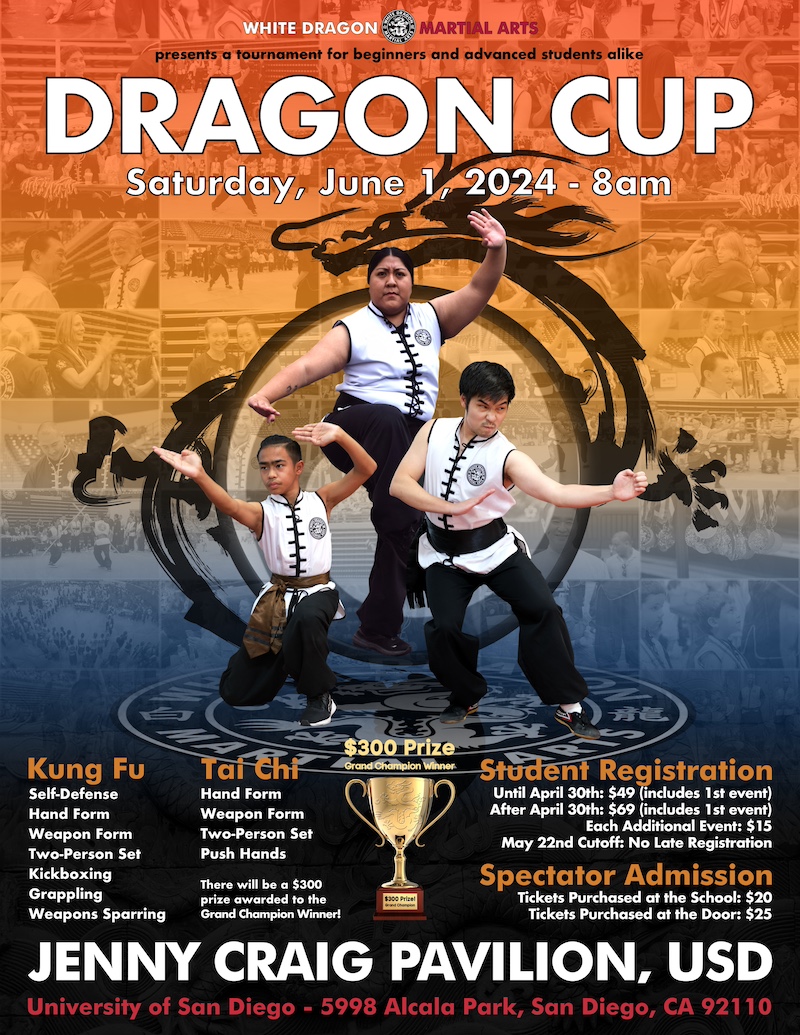
Dragon Cup Championship 2024
The Dragon Cup Championship is scheduled for Saturday, June 1st, at the Jenny Craig Pavilion, University of San Diego....
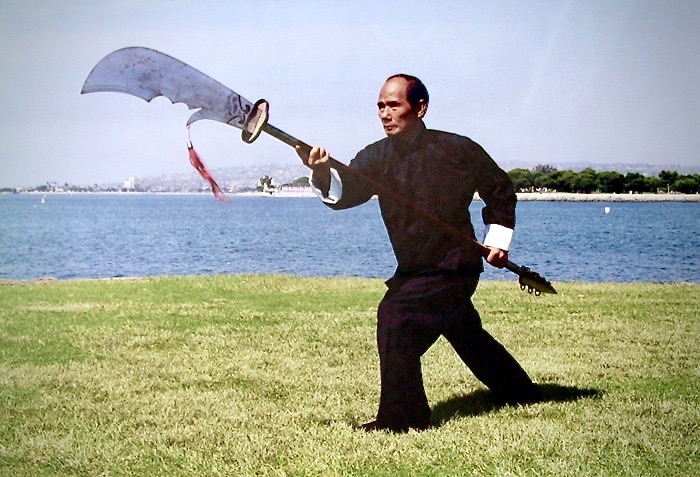
The Keeper of the Hung Sing School
Chan Cheong-Mo was the founder and chief instructor of the Sei Yup (four counties) Hung Sing School in Kong...
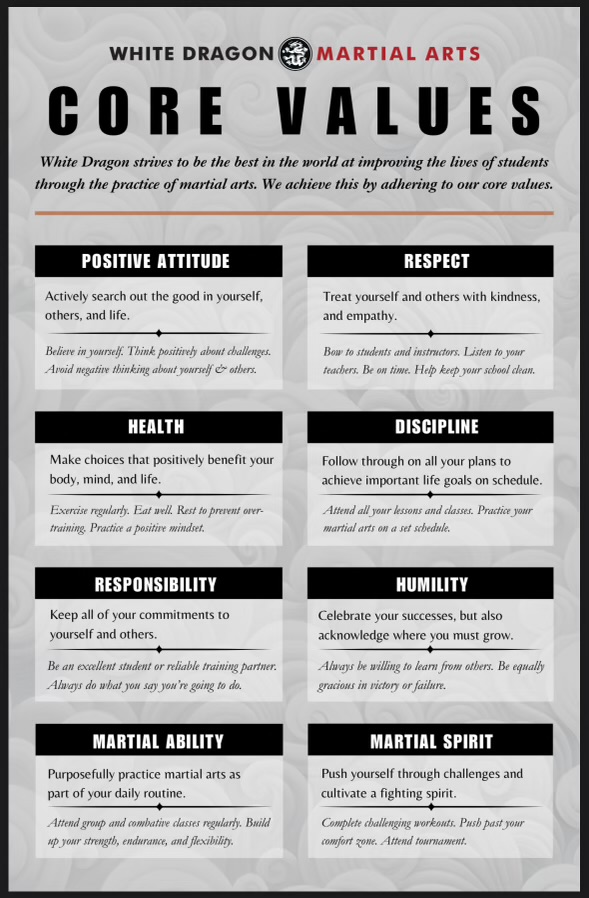
Our Core Values
We are passionate about helping students master the whole self by instilling the core values handed down from teacher...
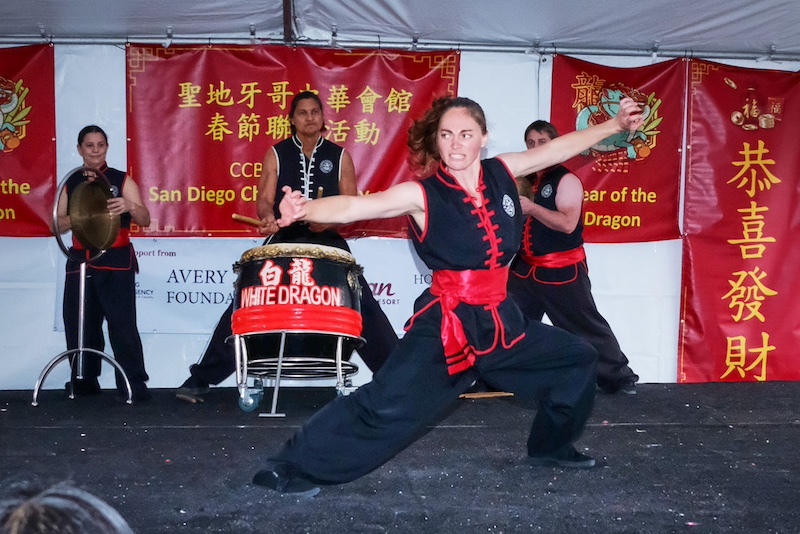
No Stance, No Art
A primary foundation of any martial art is the stance. Whether your style is from northern or southern China,...
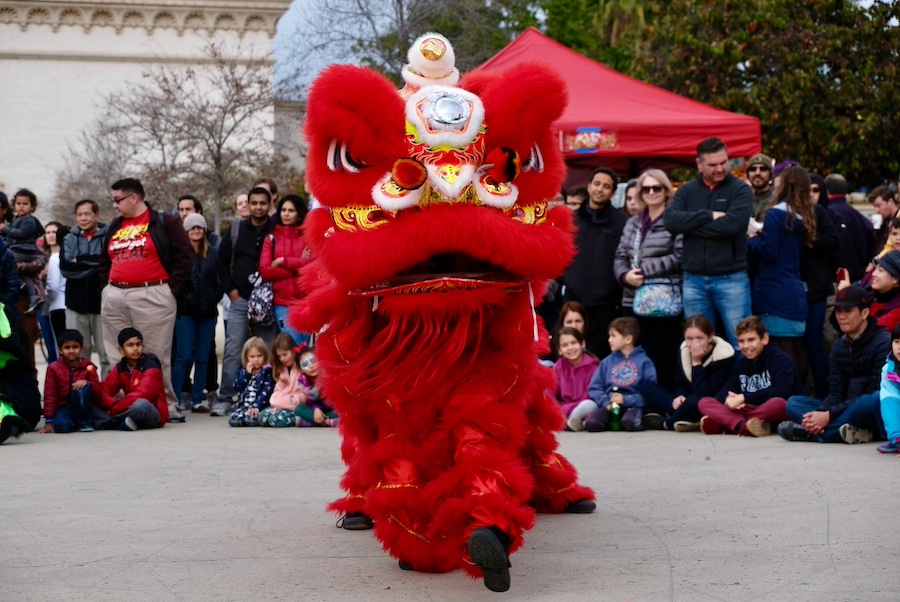
Five Fierce Facts About the Lion Dance
The Lunar New Year is a venerated holiday in many Asian cultures like Korea, Malaysia, Singapore, and Vietnam, just...
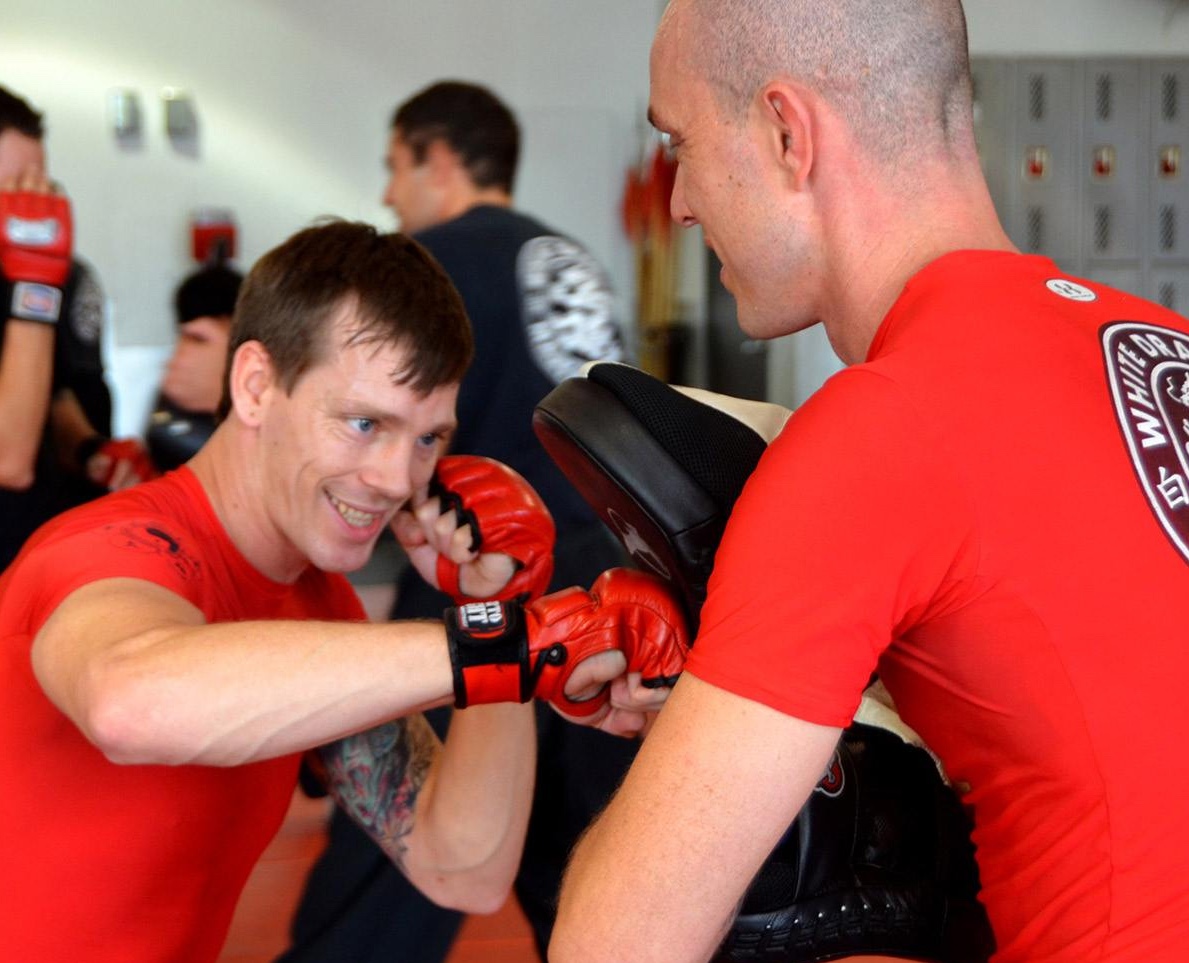
Playing it Safe: How to Stay Injury Free on Your Martial Arts Journey
It is estimated that more than 5 million people in America participated in some form of martial arts training...

White Dragon Martial Arts Holiday Hours 2023
Happy Holidays from your friends at White Dragon Martial Arts!...
Now Is That Gratitude?
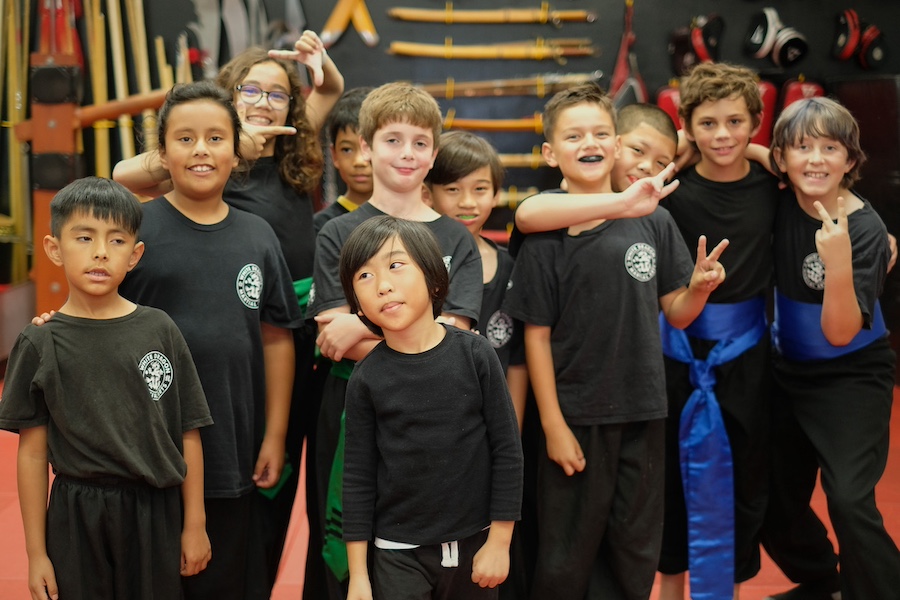
It’s the season to be grateful. Gratitude practices are all the rage these days. You know, reflect back on...

White Dragon’s Annual Holiday Sale 2023
Give yourself the gift of training at White Dragon’s once-a-year Holiday Sale and Membership Drive! Accelerate your progress by...
Who Is Your Teacher?
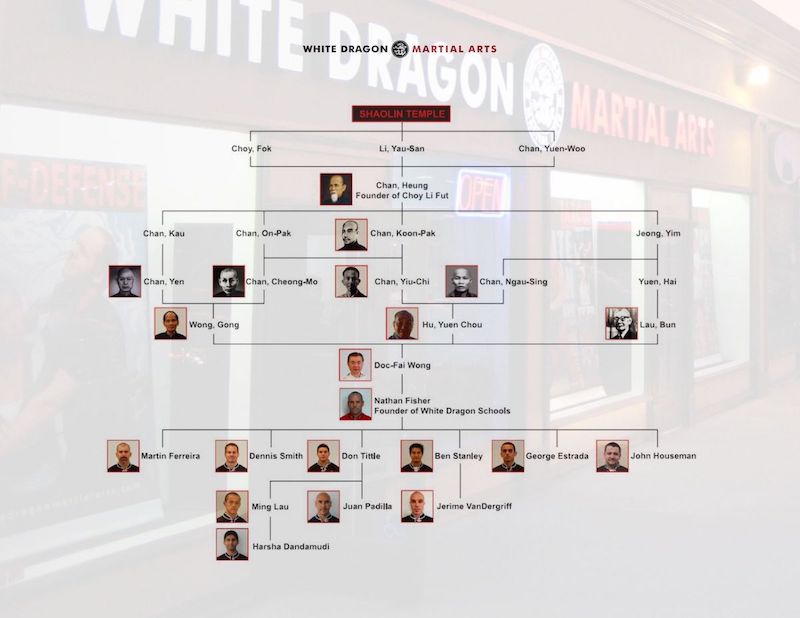
It is sometimes the habit of martial artists to attend a seminar and then claim the seminar instructor as...
White Dragon Martial Arts Banquet 2023
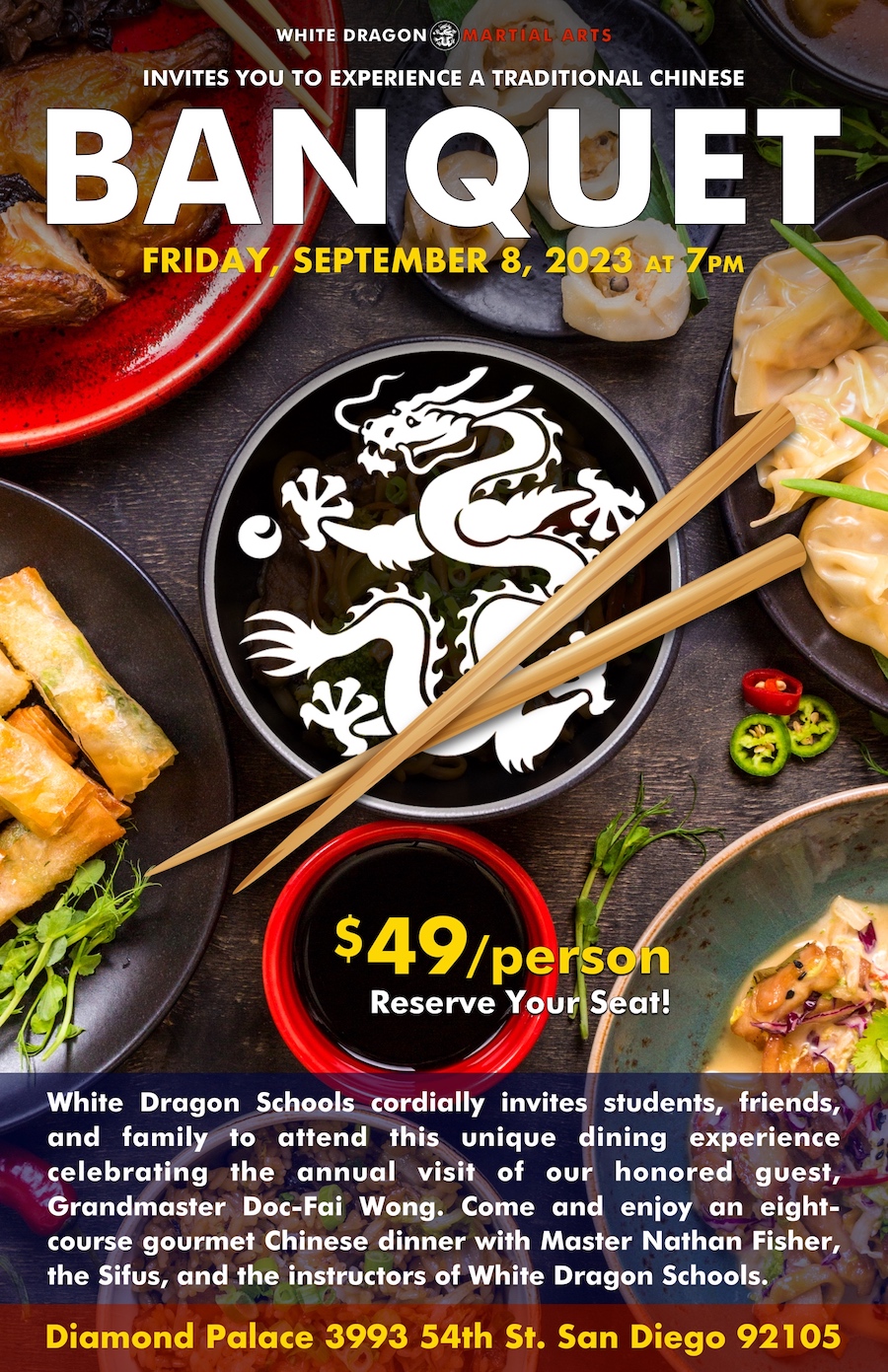
White Dragon Schools cordially invites students, friends, and family to attend this unique dining experience celebrating the annual visit...
Grandmaster Doc Fai Wong Seminars 2023
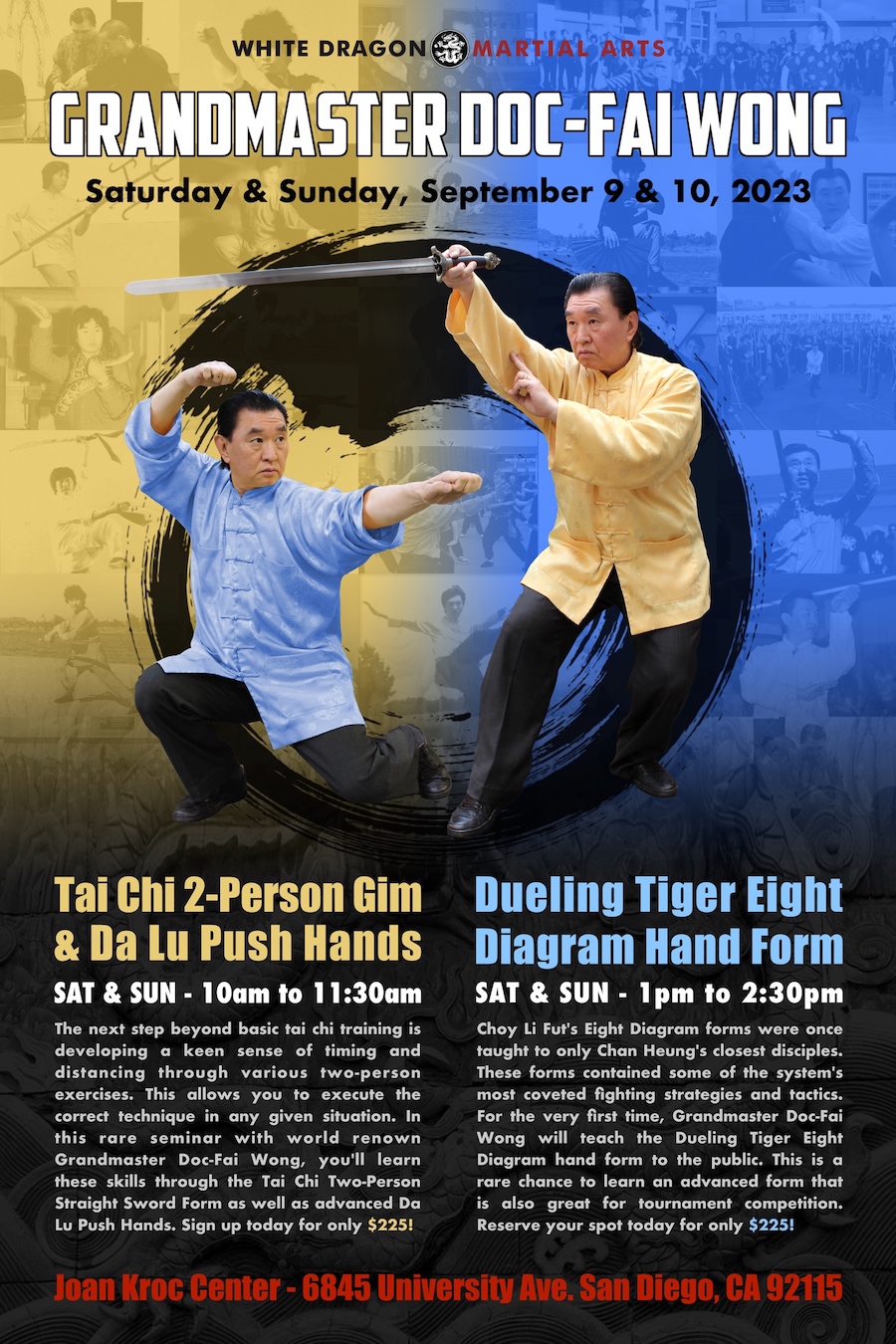
White Dragon Martial Arts is proud to announce the return of our yearly seminars with Grandmaster Doc Fai Wong....
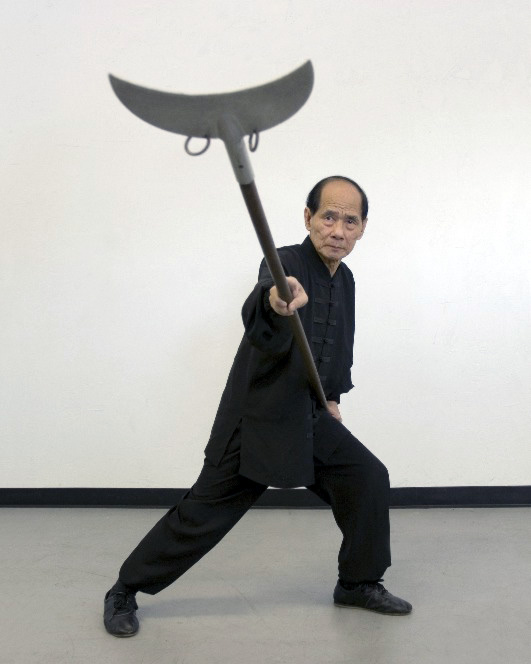
Great Grandmaster Wong Gong
Wong Gong aka Wong Ming Sang, was born in 1928 in the city of Kong Moon (Jian Men), Guangdong...
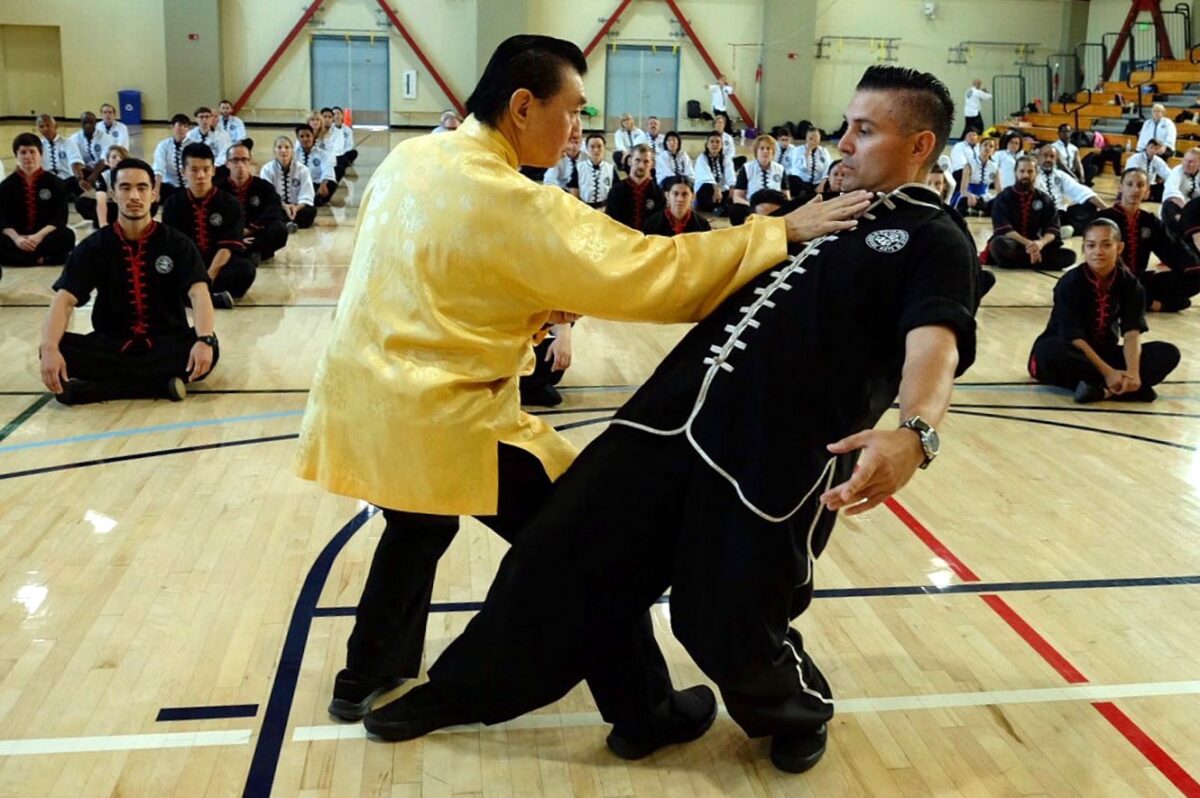
Quality, Not Quantity
Do you measure your martial art skill by the number of forms you know or the tournament trophies you...

White Dragon’s Summer Sale 2023
Don’t miss out on your chance to enjoy super summer savings at White Dragon’s Annual Summer Sale. Plan ahead and...
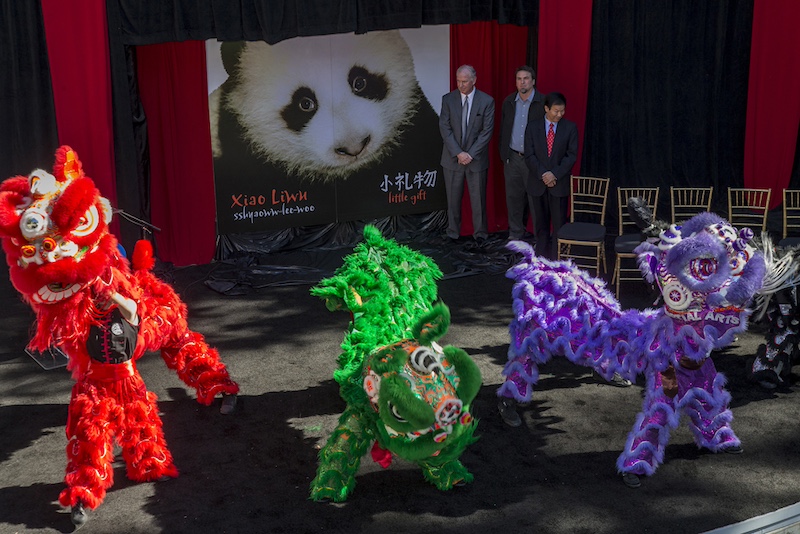
San Diego Zoo Panda Naming Ceremony
The White Dragon Martial Arts Lion Dance Team performs at the San Diego Zoo Panda Naming Ceremony on November...
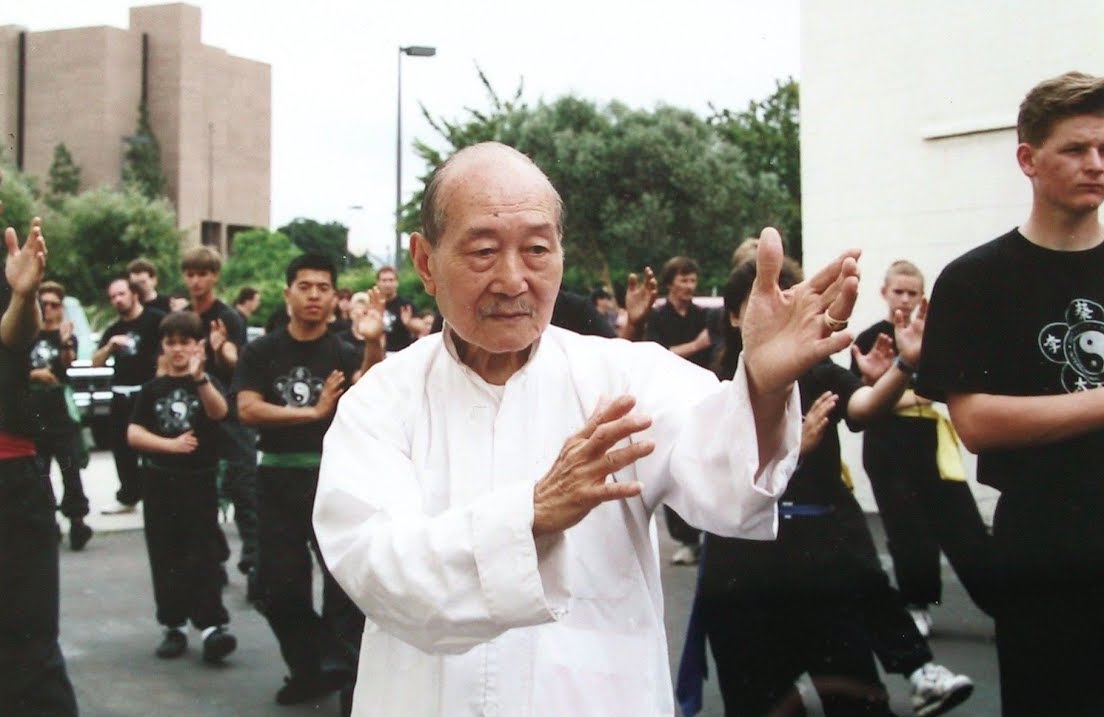
Expert or Master?
It’s time to clear up some misunderstanding about skill levels in traditional kung fu systems—specifically the difference between expert...
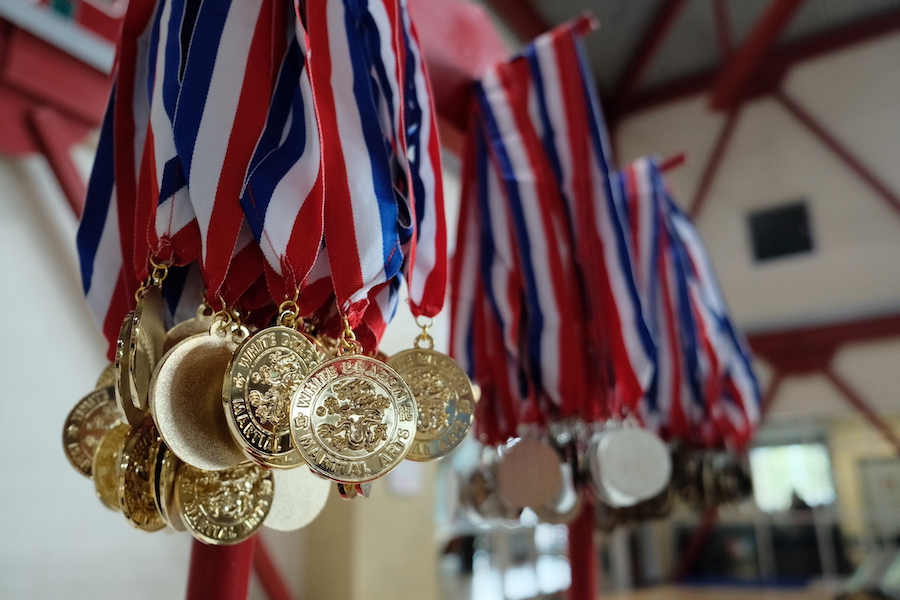
Using Tournament Time
Unlike the average karate or Tae Kwon Do school, many traditional Chinese martial arts schools don’t ask or even...
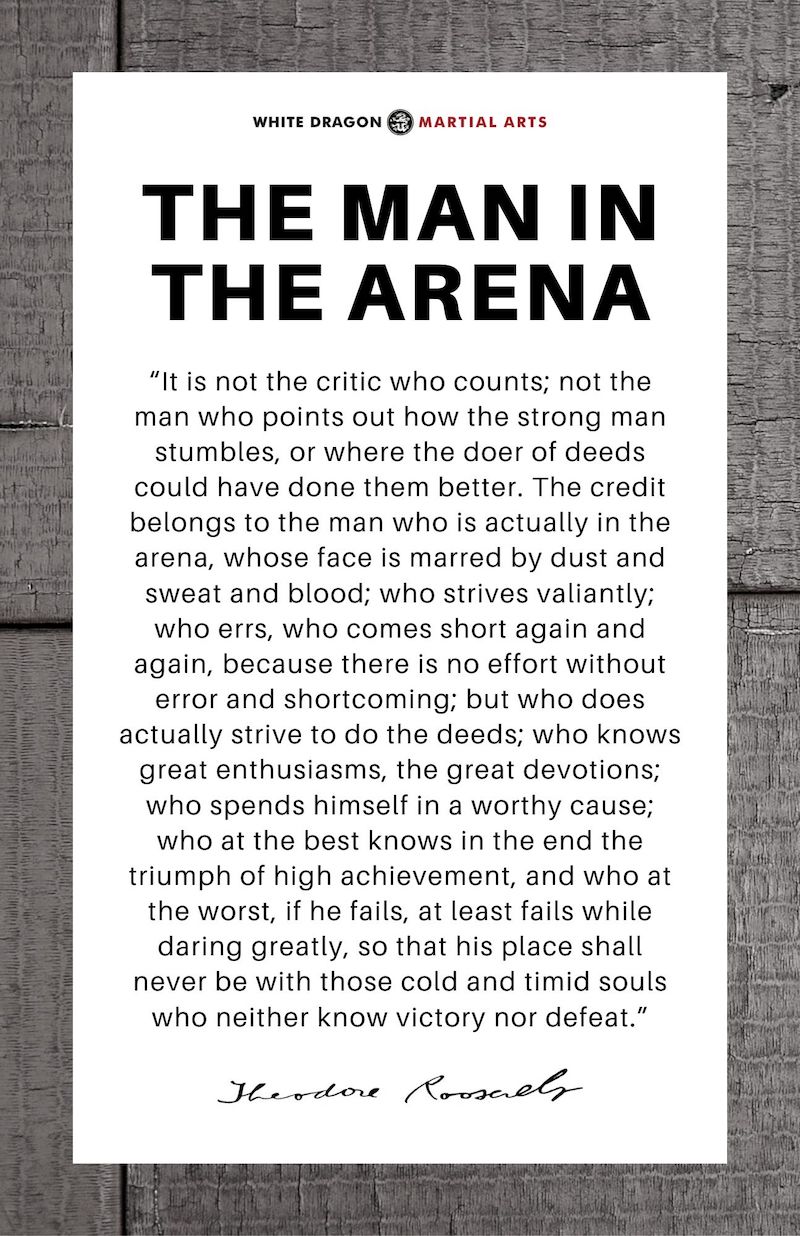
The Man in the Arena by Theodore Roosevelt
“It is not the critic who counts; not the man who points out how the strong man stumbles, or...
EVERY GREAT JOURNEY STARTS WITH ONE STEP